
In Part 2 of our series, we focus on the relationship between bruxism and chronic physical conditions. We’ll take a closer look at how chronic pain conditions like fibromyalgia, as well as gastroesophageal reflux disease (GERD), and neurological disorders such as Parkinson’s disease, contribute to teeth grinding and jaw clenching. Chronic conditions often exacerbate bruxism, leading to more severe jaw pain, headaches, and damaged teeth. This article covers effective approaches to managing bruxism in the context of these conditions, from lifestyle changes to medications and dental appliances designed to protect your teeth and alleviate your pain.
Gastroesophageal Reflux Disease (GERD) and Bruxism
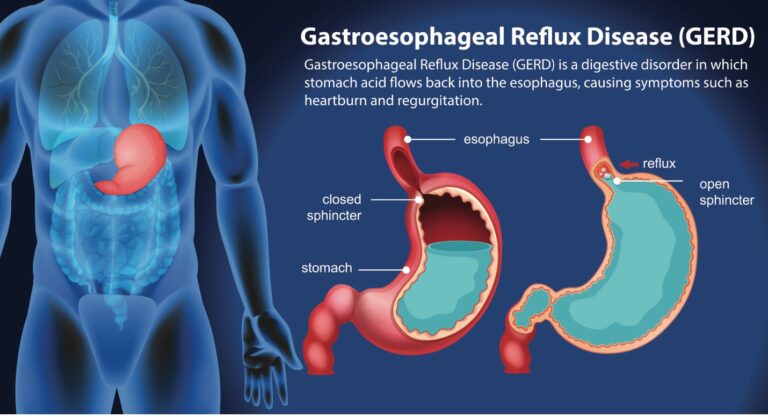
If you struggle with acid reflux or GERD (Gastroesophageal Reflux Disease), you may already know how it impacts your digestive system—but what you might not realize is how it can also affect your jaw. GERD and bruxism are often linked, and this connection can cause a vicious cycle of discomfort. When stomach acid makes its way into your esophagus, your body can react by clenching or grinding your teeth, especially at night. The result? Increased jaw pain, headaches, and even more damage to your teeth and temporomandibular joint (TMJ).
The Role of GERD in Sleep Bruxism
If you’ve ever woken up with a sore jaw or sensitive teeth, GERD might be to blame. At night, when you lie down, acid from your stomach can more easily rise up into your esophagus. This acid irritation can trigger a reflex response in your body, causing you to clench or grind your teeth while you sleep. The grinding, known as sleep bruxism, can wear down your teeth, cause inflammation in your jaw muscles, and even contribute to the development or worsening of temporomandibular disorders (TMD).
GERD doesn’t just cause discomfort in your digestive system—it can exacerbate tension and pain in your jaw, neck, and head. And because GERD often disrupts sleep, you may be grinding your teeth without even realizing it, leading to more severe bruxism-related symptoms.
Treatment for GERD-Related Bruxism
To effectively manage GERD-related bruxism, it’s important to treat both the underlying acid reflux and the physical impact of grinding or clenching. Here are some steps you can take to find relief:
Managing GERD with Medication
GERD can be managed through the use of medications that reduce or neutralize stomach acid, such as proton pump inhibitors (PPIs) or H2 blockers. These medications can help control the acid reflux that triggers nighttime bruxism. Talk to your doctor about finding the right medication and dosage to manage your symptoms.
Diet and Lifestyle Changes
Making changes to your diet can significantly reduce the frequency of acid reflux episodes and, in turn, the bruxism that follows. Avoiding trigger foods like spicy, acidic, or fatty meals, eating smaller portions, and not lying down immediately after eating can make a big difference. Additionally, elevating your head while sleeping can help keep stomach acid down, reducing the likelihood of nighttime reflux and grinding.
Custom Night Guards
If you’re grinding your teeth at night due to GERD, a custom-fitted night guard can protect your teeth from further damage. These dental appliances create a barrier between your teeth, preventing the wear and tear caused by grinding. While it won’t stop the grinding itself, it will reduce the stress on your TMJ and prevent your teeth from being worn down or cracked.
Jaw Relaxation Techniques
Even if GERD is causing your bruxism, jaw tension can be managed through relaxation techniques. Exercises that stretch and relax the muscles in your jaw and face can provide relief from the constant pressure and tension. Incorporating these exercises into your daily routine can help ease the pain caused by grinding, even if GERD remains a factor.
Addressing Stress and Anxiety
Stress and anxiety can worsen both GERD and bruxism. Managing stress through relaxation techniques, such as mindfulness, deep breathing, or yoga, can reduce the overall tension in your body, including your jaw. By keeping your stress levels in check, you can minimize the impact of both reflux and grinding.
GERD-related bruxism can be a difficult cycle to break, but by addressing both the digestive issues and the physical effects on your jaw, you can find relief. With the right combination of medical treatment, lifestyle changes, and jaw care, you can reduce your pain and protect your teeth and TMJ from further harm.
Chronic Pain Conditions and Bruxism
Living with chronic pain can take a toll on every aspect of your life—your body, your mind, and even your sleep. If you have a chronic pain condition like fibromyalgia, chronic fatigue syndrome, or other long-term pain disorders, you might also be dealing with the constant clenching and grinding of bruxism. When your body is in a state of pain, it tends to hold tension, especially in the muscles of the jaw, neck, and face. This bracing and grinding can add even more discomfort to your already challenging pain management.
Pain-Induced Bruxism: How It Happens
Chronic pain creates an ongoing cycle of tension in your body. When your muscles are constantly tensed due to pain, the muscles responsible for chewing—your muscles of mastication—are often affected. This can result in you clenching your teeth during the day and grinding them at night, even without realizing it. For many people, bruxism becomes an unconscious habit as your body tries to cope with the stress and discomfort of chronic pain.
This tension in your jaw and face can lead to a whole new set of problems, including jaw pain, facial pain, headaches, and even more stress on your temporomandibular joint (TMJ). If you already suffer from chronic pain, the added bruxism can intensify your discomfort and make it harder to manage your symptoms.
Managing Bruxism in Chronic Pain Patients
To effectively manage bruxism when you’re already dealing with a chronic pain condition, you need to approach it from multiple angles. Here’s what you can do to relieve some of the tension in your jaw and protect yourself from further pain and damage:
Physical Therapy and Jaw Exercises
Working with a physical therapist who specializes in treating TMJ disorders and facial pain can help reduce the tension in your jaw muscles. They can guide you through specific exercises that stretch and relax the muscles in your face, neck, and jaw, helping to relieve the clenching and grinding that contribute to your pain. Regular physical therapy can also improve your overall posture, which often affects how much tension you hold in your jaw.

Pain Management Strategies
Since chronic pain is often at the root of bruxism, improving your overall pain management can reduce your bruxism symptoms. Talk to your doctor about the best strategies to manage your chronic pain, which may include medication, nerve blocks, or alternative therapies like acupuncture. The better your overall pain is managed, the less tension you’re likely to carry in your jaw and facial muscles.
Custom Dental Appliances
If your bruxism is causing damage to your teeth or worsening your jaw pain, a custom night guard or splint can be a helpful tool. These appliances act as a barrier between your teeth, preventing the grinding that wears down your enamel and puts stress on your TMJ. Wearing a night guard while you sleep can help protect your teeth and give your jaw a break from the constant clenching.
Relaxation Techniques
Chronic pain and stress often go hand in hand, and stress can make bruxism worse. Incorporating relaxation techniques like mindfulness meditation, deep breathing, or progressive muscle relaxation into your daily routine can help reduce your overall muscle tension. By teaching your body how to relax, you can prevent the unconscious clenching and grinding that often accompanies chronic pain.
Medications for Muscle Relaxation
If your bruxism is severe, your doctor might recommend muscle relaxants to help ease the tension in your jaw. These medications can be particularly useful if you find that your bruxism is making your pain worse or if it’s leading to other issues like headaches and TMJ dysfunction.
Managing bruxism on top of a chronic pain condition can feel overwhelming, but there are ways to reduce the tension and find relief. By taking care of both the physical symptoms and the underlying pain, you can protect your teeth, jaw, and overall health from the effects of grinding and clenching.
Parkinson’s Disease and Bruxism: A Neurological Connection
Living with Parkinson’s disease comes with a host of physical challenges, and bruxism is one of the lesser-known but significant issues that many people face. If you or someone you care for has Parkinson’s, you may have noticed an increase in jaw clenching or teeth grinding, particularly during periods of muscle rigidity or tremors. This involuntary tension in the jaw can lead to pain, headaches, and damage to the teeth and temporomandibular joint (TMJ), further complicating the challenges of Parkinson’s.
Parkinson’s Disease and Muscle Rigidity
One of the hallmark symptoms of Parkinson’s disease is muscle rigidity, which often affects not only the limbs but also the muscles of the face and jaw. When the muscles in your jaw become stiff and tense, it can lead to involuntary clenching, often without you even realizing it. This clenching, especially over time, can cause strain on the TMJ, leading to jaw pain, tension-type headaches, and even facial pain that radiates to the neck and shoulders.
In addition, tremors associated with Parkinson’s can contribute to jaw movements, which may exacerbate bruxism. These repetitive jaw movements can wear down the teeth and increase discomfort in the muscles of mastication (the chewing muscles).
Parkinson’s-Specific Bruxism Treatments
Managing bruxism in Parkinson’s patients requires a thoughtful approach that addresses both the neurological aspects of the disease and the physical strain on the jaw. Here are some effective ways to manage bruxism if you’re living with Parkinson’s:
Medication Adjustments
Medications used to treat Parkinson’s, such as levodopa or dopamine agonists, can sometimes lead to increased bruxism or muscle rigidity. If you’re noticing a rise in jaw clenching or grinding, talk to your neurologist. They might be able to adjust your medications to reduce these side effects, helping to ease the tension in your jaw muscles.
Botox Injections for Jaw Tension
In some cases, Botox injections can be helpful in managing bruxism in Parkinson’s patients. Botox works by temporarily relaxing the muscles in your jaw, reducing the involuntary clenching and grinding that can occur due to muscle rigidity. This treatment can help alleviate some of the discomfort and prevent damage to the TMJ and teeth.
Physical Therapy and Jaw Exercises
Regular physical therapy that focuses on jaw and facial muscle relaxation can be incredibly beneficial. A physical therapist trained in TMJ and facial pain can guide you through exercises designed to stretch and relax the muscles of mastication. These exercises can help improve jaw mobility, reduce tension, and minimize pain from bruxism.
Custom Dental Appliances
A custom-fitted night guard or splint can protect your teeth from grinding and help distribute the pressure across your jaw more evenly, reducing strain on the TMJ. This is especially useful if you’re experiencing nighttime bruxism, as these appliances prevent your teeth from grinding together, protecting both your enamel and your jaw.
Mindfulness and Relaxation Techniques
While Parkinson’s often makes it difficult to control involuntary movements, practicing mindfulness and relaxation techniques can still provide some relief from bruxism. Deep breathing exercises, progressive muscle relaxation, and even guided meditation can help reduce the overall tension in your body and jaw, offering moments of relaxation and ease from clenching.
Living with Parkinson’s disease and bruxism can be challenging, but by taking steps to manage muscle rigidity, protect your teeth, and alleviate tension, you can reduce the discomfort and complications associated with grinding and clenching. The key is to work closely with your healthcare team to find the right combination of treatments that support both your Parkinson’s symptoms and your bruxism-related pain.
Bruxism, Substance Use, and Withdrawal
If you’re dealing with substance use or going through withdrawal, you might have noticed a new or worsening issue—bruxism. Whether it’s clenching your teeth during the day or grinding them at night, substance use can have a significant impact on your jaw, leading to facial pain, headaches, and even long-term damage to your teeth and temporomandibular joint (TMJ). Understanding how substances affect your body, and how withdrawal can trigger or intensify bruxism, is crucial in managing these symptoms.
Substance-Induced Bruxism
Certain substances, particularly stimulants like caffeine, nicotine, and recreational drugs like methamphetamine or cocaine, can trigger bruxism by overstimulating your nervous system. When your body is in a heightened state of arousal, your muscles—especially the ones in your jaw—tense up. This often results in clenching and grinding that you may not even be aware of until you start experiencing jaw pain, tension headaches, or tooth sensitivity.
Prescription medications, such as antidepressants (especially SSRIs) and certain antipsychotics, can also lead to bruxism as a side effect. If you’re taking medication and notice an increase in jaw clenching or grinding, it’s important to speak with your healthcare provider about potential alternatives or adjustments.

Bruxism During Substance Withdrawal
Withdrawal from substances can be a difficult process, both physically and mentally. As your body adjusts to the absence of a substance it has become dependent on, you might experience increased stress, anxiety, and muscle tension—all of which can lead to bruxism. Whether you’re coming off stimulants, alcohol, nicotine, or certain medications, withdrawal symptoms can exacerbate teeth grinding and jaw clenching, particularly at night.
During withdrawal, your nervous system is in a state of flux, and your body may respond to this stress by tightening muscles involuntarily, especially those in the jaw. This can lead to severe facial pain, headaches, and further damage to your teeth and TMJ.
Treating Substance-Related Bruxism
Managing bruxism caused by substance use or withdrawal requires a combination of addressing the underlying substance issue and finding ways to relieve the physical symptoms. Here are some approaches that can help:
Substance Use Counseling and Support
If substance use is triggering your bruxism, seeking support through counseling or substance abuse programs can help you address the root of the issue. By working with a professional to manage your substance use or withdrawal, you can reduce the overall tension in your body and lessen the impact of bruxism on your jaw and teeth.
Medication Adjustments
If you’re taking prescription medications that are causing bruxism, such as SSRIs or stimulants, talk to your doctor. They may be able to adjust your dose or switch you to a different medication that has less impact on your jaw muscles. Never stop or change your medications without consulting your healthcare provider, as doing so could worsen your symptoms or lead to withdrawal-related bruxism.
Custom Mouthguards and Splints
Whether your bruxism is triggered by substance use or withdrawal, a custom-fitted mouthguard can help protect your teeth from further damage. These appliances act as a cushion between your teeth, preventing grinding and reducing strain on your TMJ. Wearing a mouthguard at night can help minimize the physical damage caused by bruxism, even if the clenching or grinding itself continues during the recovery process.
Stress Management Techniques
Withdrawal is a stressful experience, and stress management techniques can make a huge difference in reducing the muscle tension that leads to bruxism. Practices like deep breathing, progressive muscle relaxation, or mindfulness meditation can help you calm your mind and body, reducing the urge to clench or grind your teeth.
Biofeedback
Biofeedback is a technique that increases your awareness of physical responses to stress—such as jaw clenching—and teaches you how to control them. By recognizing when your jaw muscles are tensing, you can take steps to consciously relax before the tension escalates into pain or discomfort.
For managing awake bruxism and non-clinical jaw clenching, ClenchAlert® offers a practical biofeedback solution. This discreet device uses pressure-sensing technology to detect unconscious clenching and delivers a gentle vibration to alert you in real time. By signaling you to relax your jaw, ClenchAlert® helps break the habit of excessive muscle tension and fosters healthier jaw posture throughout the day.
With consistent use, biofeedback tools like ClenchAlert® empower you to regain control over stress-related clenching, reducing discomfort and preventing it from becoming overwhelming.
Physical Therapy for Jaw Relief
If your jaw muscles are tight and painful due to bruxism, working with a physical therapist who specializes in TMJ disorders can help. They can guide you through specific exercises designed to stretch and relax the muscles in your jaw and face, providing relief from the constant tension. This can be especially beneficial during the challenging periods of withdrawal.
Substance use and withdrawal can be hard enough to manage on their own without adding the pain of bruxism to the mix. By addressing both the root cause of your bruxism and the physical strain on your jaw, you can protect yourself from long-term damage and reduce the discomfort associated with clenching and grinding.
Dementia, Alzheimer’s Disease, and Bruxism
If you or a loved one is living with dementia or Alzheimer’s disease, you may have noticed some changes in behavior, including an increase in clenching or grinding of the teeth. Bruxism is surprisingly common in individuals with neurodegenerative diseases, often due to changes in brain function that affect muscle control. While dealing with cognitive decline is already challenging, bruxism can add another layer of discomfort by causing jaw pain, headaches, and damage to the teeth and temporomandibular joint (TMJ).
Neurological Changes Leading to Bruxism
Bruxism in individuals with dementia or Alzheimer’s is typically a result of neurological changes that impact motor control. As the disease progresses, the brain’s ability to regulate muscle activity, including the muscles of mastication (responsible for chewing), becomes impaired. This can lead to involuntary clenching or grinding of the teeth, often without the individual being aware of it. For many people, this occurs during sleep (sleep bruxism), but it can also happen during the day.
In addition to the loss of muscle control, individuals with dementia may also experience increased anxiety, agitation, or restlessness—factors that can trigger bruxism. These emotional responses can lead to even more clenching and grinding, exacerbating the physical discomfort that comes with the disease.
Treatment for Dementia-Related Bruxism
Managing bruxism in someone with dementia or Alzheimer’s requires a compassionate, multi-faceted approach. Since the individual may not always be able to communicate their discomfort, it’s important to pay attention to the signs of bruxism—such as jaw pain, headaches, or changes in dental health—and address the problem proactively. Here are some strategies that can help:
Custom-Fitted Mouthguards
One of the simplest and most effective ways to protect the teeth and jaw from bruxism is by using a custom-fitted mouthguard. These dental appliances act as a barrier between the teeth, preventing grinding and reducing strain on the TMJ. While the mouthguard won’t stop the grinding itself, it can significantly reduce the damage to the teeth and alleviate some of the jaw pain caused by clenching. It’s important to work with a dentist who can create a mouthguard that’s comfortable for the individual, ensuring it’s easy to wear, especially at night.
Behavioral Interventions for Agitation
Agitation and restlessness are common in individuals with dementia, and these emotional states can often lead to increased bruxism. Behavioral interventions that help soothe agitation—such as creating a calm environment, using familiar objects or routines, and providing comfort through touch or reassurance—can help reduce the triggers for clenching or grinding. Managing the individual’s emotional well-being is just as important as addressing the physical symptoms of bruxism.
Jaw Relaxation Exercises
Gentle jaw exercises, such as slow opening and closing of the mouth or massaging the muscles of the jaw, can help reduce tension and alleviate pain. While the individual may need assistance in performing these exercises, incorporating them into their daily routine can help ease the strain on the TMJ and provide some relief from the discomfort of bruxism.
Monitoring Dental Health
Regular dental check-ups are crucial for individuals with dementia, especially if they’re experiencing bruxism. A dentist can monitor for signs of wear on the teeth, changes in bite alignment, or issues with the TMJ that may need to be addressed. If left untreated, bruxism can lead to cracked teeth, gum damage, and worsening jaw pain, so early intervention is key.
Medications to Manage Muscle Tension
In some cases, medications that reduce muscle tension, such as muscle relaxants, may be prescribed to help manage bruxism in individuals with dementia. These medications can help ease the jaw clenching and grinding that occurs as a result of neurological changes, providing some relief from the physical strain of bruxism. It’s important to consult with a healthcare provider to determine the best course of treatment, especially since individuals with dementia may already be on other medications.
Caregiver Support and Awareness
If you’re caring for someone with dementia who has bruxism, it’s important to be mindful of their needs and well-being. Since they may not always be able to express their discomfort, keeping an eye on their facial expressions, changes in behavior, and overall dental health can help you identify when bruxism is becoming a problem. By taking steps to manage their bruxism, you can help reduce their pain and protect their teeth, improving their quality of life in the process.
Conclusion
Managing bruxism alongside chronic pain, GERD, or neurological disorders like Parkinson’s can be a daunting challenge. However, with the right combination of treatments—ranging from physical therapy and custom dental appliances to medication adjustments—you can reduce the strain on your jaw and prevent further damage to your teeth. Addressing the underlying causes of bruxism, whether it’s chronic pain or digestive issues, is key to finding lasting relief.
As we move forward in this series, we’ll look at how sleep disorders, medication side effects, and dental health can all play a role in your bruxism symptoms. In Part 3: The Impact of Sleep Disorders, Medications, and Dental Health on Bruxism, we’ll explore how your sleep quality and medication choices may be influencing your teeth grinding—and what you can do about it. Stay tuned for practical strategies to help you protect your teeth and improve your overall well-being.
FAQs
Bruxism is the clenching or grinding of teeth, often unconsciously. Chronic pain conditions like fibromyalgia, GERD (Gastroesophageal Reflux Disease), and neurological disorders such as Parkinson’s disease can increase tension in the muscles of the jaw, neck, and face, exacerbating bruxism. These conditions may lead to more severe symptoms, including jaw pain, headaches, and damage to the teeth.
GERD can trigger bruxism, especially during sleep, as acid reflux irritates the esophagus, leading to a reflexive response of clenching or grinding teeth. This nighttime grinding, known as sleep bruxism, can wear down teeth, strain jaw muscles, and worsen temporomandibular disorders (TMD).
Managing GERD-related bruxism requires addressing both the GERD itself and the effects of bruxism on the jaw and teeth. Medications like proton pump inhibitors (PPIs) can help reduce stomach acid, while dietary changes such as avoiding trigger foods and not lying down after meals can reduce reflux. Custom-fitted night guards can protect teeth from damage, and relaxation techniques may help ease jaw tension. Additionally, stress management is crucial, as it can reduce the overall tension that exacerbates both GERD and bruxism.
Chronic pain causes muscles to remain tense, including those in the jaw and face, leading to bruxism. Clenching and grinding are often unconscious reactions to pain, increasing jaw discomfort and headaches. Chronic pain can worsen bruxism and vice versa, creating a cycle of discomfort.
Managing bruxism in chronic pain patients involves addressing both the bruxism itself and the underlying pain. Physical therapy and jaw exercises can help reduce muscle tension, while custom dental appliances like night guards protect the teeth and reduce stress on the jaw. Relaxation techniques such as meditation and deep breathing can alleviate overall muscle tension. Improving overall pain management through medication or alternative therapies can also reduce bruxism symptoms by lowering the body’s physical stress.
In Parkinson’s disease, muscle rigidity and tremors often affect the jaw, leading to involuntary clenching or grinding. This tension can cause jaw pain, headaches, and damage to the teeth and temporomandibular joint (TMJ).
Treating bruxism in Parkinson’s patients involves adjusting medications to reduce muscle rigidity and tension. Botox injections can be helpful by relaxing the jaw muscles, while physical therapy focused on jaw and facial muscles can relieve pain and improve mobility. Custom dental appliances like night guards can protect the teeth from further damage, and relaxation techniques may help reduce overall tension in the body and jaw.
Yes, certain medications (like antidepressants and stimulants) and substances (such as caffeine or recreational drugs) can trigger bruxism by overstimulating the nervous system, leading to jaw clenching or grinding. Withdrawal from these substances can also cause or worsen bruxism.
Managing substance-induced bruxism involves addressing both the substance use and the physical symptoms of bruxism. Seeking counseling or support to manage substance use or withdrawal is key, as is speaking with a healthcare provider about adjusting medications if they are the cause. Custom-fitted mouthguards can protect teeth from grinding, while stress management techniques, such as mindfulness or progressive muscle relaxation, can help reduce the muscle tension that leads to bruxism.
Yes, bruxism is common in individuals with neurodegenerative conditions like dementia and Alzheimer’s due to changes in brain function that affect muscle control. Involuntary clenching and grinding can lead to jaw pain, headaches, and dental issues.
Treating bruxism in dementia or Alzheimer’s patients involves using custom-fitted mouthguards to protect teeth and reduce strain on the jaw. Behavioral interventions aimed at reducing agitation can help, as calming routines and environments often reduce clenching and grinding. Gentle jaw exercises can also help relieve tension, and regular dental check-ups are essential to monitor for damage. In some cases, muscle relaxants may be prescribed to ease jaw tension, but a healthcare provider should always be consulted to ensure the best approach.
References
- Bruxism Management – StatPearls – NCBI Bookshelf – https://www.ncbi.nlm.nih.gov/books/NBK482466/
- Sleep Bruxism in Children: Etiology, Diagnosis, and Treatment—A Literature Review – https://www.ncbi.nlm.nih.gov/pmc/articles/PMC8471284/
- Genetic analysis of probable sleep bruxism and its associations with clinical and behavioral traits – https://academic.oup.com/sleep/article/46/10/zsad107/7143699
- Sleep Bruxism and Occurrence of Temporomandibular Disorders-Related Pain: A Polysomnographic Study – https://www.ncbi.nlm.nih.gov/pmc/articles/PMC6421294/
- Correlations between Sleep Bruxism and Temporomandibular Disorders – https://www.ncbi.nlm.nih.gov/pmc/articles/PMC7074179/
- Prevalence of painful temporomandibular disorders, awake bruxism and sleep bruxism among patients with severe post‐traumatic stress disorder – https://www.ncbi.nlm.nih.gov/pmc/articles/PMC9825945/
- The Association Between Post-Traumatic Stress Disorder and Temporomandibular Disorders: A Systematic Review – https://www.ncbi.nlm.nih.gov/pmc/articles/PMC9792336/
- PDF – https://aadsm.org/docs/JDSM.1.1.27.pdf
- The Epidemiology of Bruxism in Relation to Psychological Factors – https://www.ncbi.nlm.nih.gov/pmc/articles/PMC8775973/
- PDF – https://www.thieme-connect.com/products/ejournals/pdf/10.1055/s-0042-1754374.pdf
- Sleep related bruxism—comprehensive review of the literature based on a rare case presentation – https://fomm.amegroups.org/article/view/67995/html
- SSRI-associated bruxism: A systematic review of published case reports – https://www.ncbi.nlm.nih.gov/pmc/articles/PMC5914744/
- Comorbid Psychiatric Disorders and Treatment Options in Temporomandibular Disorders and Bruxism – http://www.cappsy.org/archives/vol12/no2/cap_12_02_05_en.pdf
